
These are some practices/resources that I have been implementing into my life and loving so much that I thought I would share.
MANTRAS
A friend from the DNRS community recently introduced me to some mantra audios that I have been loving. She shared that she had been listening to them overnight and I have been doing the same, in the hopes of flooding my subconscious with brain friendly messages. I have been working through the seven chakras using this playlist. Each audio has a link to its Spotify version that I listen to on repeat as I sleep. This has also been a way of pointing out self-limiting thoughts or beliefs that I may be unconsciously engaging in as sometimes I hear an affirmation and think, ‘oh, wait, I have been thinking the opposite of this one’.
I was also recently introduced to Toni Jones who has some catchy mantra music with a great vibe that I have been loving, the track ‘Healing Is Not My Purpose’ is very brain retraining friendly and a great reminder to LIVE!
PASSIONFLOWER TEA
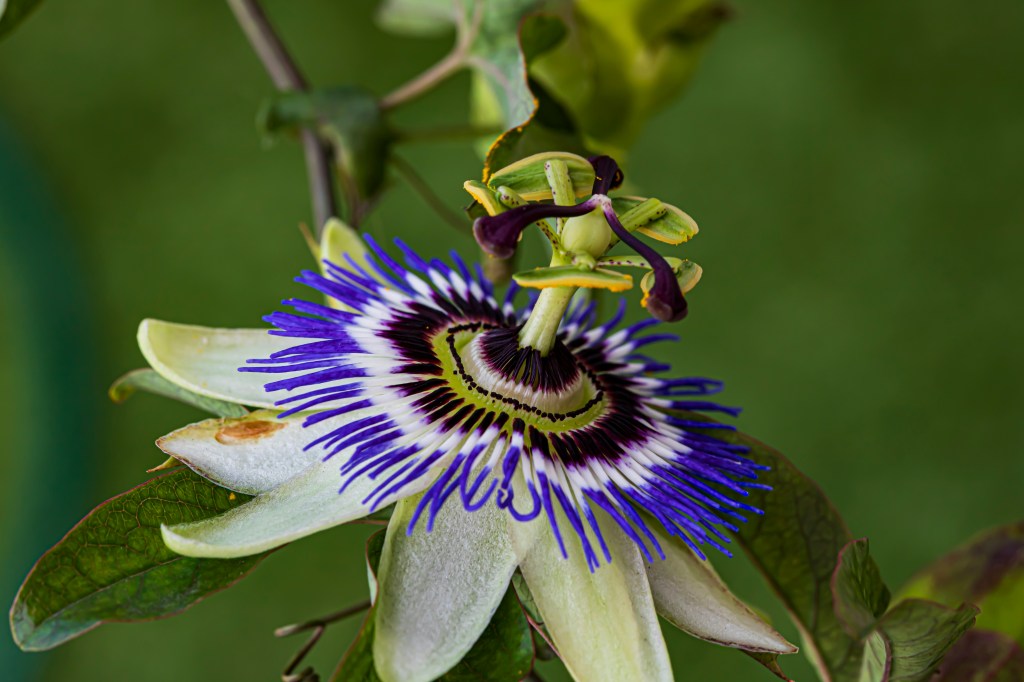
I recently completed an assignment on the herb Passionflower (pictured above) for a Herbal Medicine subject I have been studying and it may be my new favourite herb . Whilst researching I came across this quote, “I have had patients tell me it’s like they have a talk radio station on in their heads and they can’t find the off-switch, Passionflower is the off switch” 1. Perfect as a tea before bed for anyone working on stillness, and redirecting looping or ruminating thoughts aka, most people doing brain retraining.2
SAUNA AND ICE BATH COMBO
I was introduced to the health benefits of ice baths last year at a health retreat I attended where we bathed in a near freezing lake in the Snowy Mountains. I felt reinvigorated after this weekend and have been doing ice baths when I can at the beaches near my place since. A quick google tells me that ice baths can increase dopamine for up to 6 hours, and the increase in dopamine is more than that provided by drugs such as cocaine. I always feel incredibly energised after my ice baths (that may be an understatement, I come home with this joyful energy and will blast music as I happily clean my apartment and float around in the best mood all day after it). I have also read that ice benefits our nervous system and vagus nerve, and I am certain it is helping with my nervous system regulation (but please if you are early on in your nervous system regulation journey don’t overdo the ice and check with your health care providers). Recently, I became a member of a new sauna and ice bath club nearby, which means I have unlimited visits. I have been aiming to go twice a week, I have still been figuring out the best combination of sauna and ice, but overall am loving it!
HARDWIRING HAPPINESS
I am so thankful to be in two book clubs where I get to connect and chat with some fellow DNRS friends and this month in both groups we have been reading Hardwiring Happiness by Rick Hanson. I actually listened to this book about a year ago on audiobook and it has been nice to revisit. The main idea of the book is that to ‘hardwire’ happiness we should linger on positive moments to ‘install’ them into our brain thereby creating new neural networks. I love his quote that by doing this you are “using your mind to change your brain to change your mind for the better”. I have felt this through my use of this tool, my brain has changed and is able to take in the positive as an automatic reaction now.
I practice this daily in little ways, when in nature I stop and really soak in the beauty that I get to see, I will stop and watch the way the sun’s rays are reflected on the ocean, I will listen to birds singing, and linger and smile at how nice it is. I stop and really take in the beauty of the Passionflower photo above and let myself feel grateful that nature provides these amazing therapeutic herbs for us to use. When my bus arrives right on time I smile and express gratitude. You get the picture, it’s a very easy but powerful tool and all of these small moments can add up and positively influence our wellbeing.
Note: My blog may contain some affiliate links. I will be paid a commission if you use this link to make a purchase at no extra cost to you. I only link to products or programs I have personally used
1 Nervines: Complementary Herbs for Adaptogens, David Winston, 2013
2Always check with your health provider before adding in any herbs
Passionflower Photo by by Attila Lisinszky on Unsplash
 ALEX MEEKA WELLNESS
Leave a comment